Mastering Sustainable Landscape Techniques for a Greener Future Oct 27, 2026
The journey to a sustainable landscape begins with understanding the principles of eco-friendly design. A crucial element is the selection of native plants. These species are adapted to the local climate and soil conditions, reducing the need for excessive watering and chemical fertilizers. Native plants are also beneficial for local wildlife, providing a habitat and food sources for birds and pollinators.
Water conservation is another pillar of sustainable landscaping. Implementing techniques such as drip irrigation or soaker hoses can significantly reduce water waste while ensuring your plants receive the necessary hydration. Additionally, incorporating rain barrels to collect rainwater can be an excellent way to water your garden during dry spells, cutting down on the use of treated water.
The use of mulch in landscaping is an effective technique to maintain soil moisture, reduce weeds, and add organic matter to the soil as it breaks down. Organic mulches, such as wood chips or bark, can improve soil structure and fertility, offering a natural boost to plant health.
Composting is an indispensable practice for anyone committed to sustainability. By composting kitchen scraps and yard waste, you can create a rich organic fertilizer that enhances the nutrient content of your soil. Not only does this reduce the amount of waste sent to landfills, but it also mitigates the need for chemical fertilizers that can harm the environment.
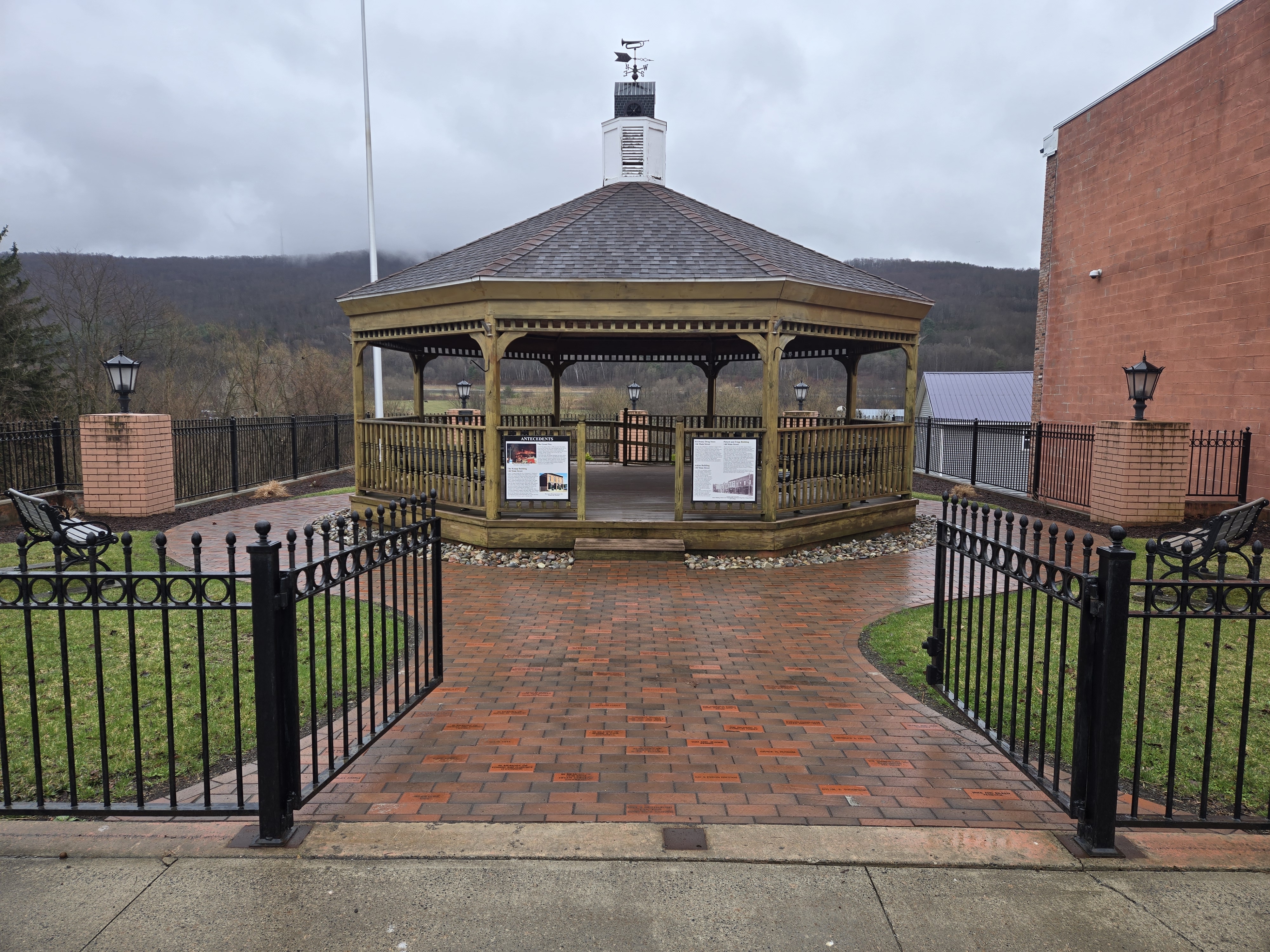
To further support a sustainable landscape, consider integrating hardscaping features like permeable paving. Unlike traditional concrete, permeable materials allow water to seep through, replenishing the groundwater and decreasing runoff that can lead to erosion and water pollution.
Soil health plays a pivotal role in sustainable landscaping. Conducting a soil test can provide insights into pH levels and essential nutrient content. This information is vital for selecting the right amendments to improve soil conditions naturally. Practices such as aeration and the addition of organic matter can enhance soil structure, promote root growth, and increase water infiltration.
It’s also essential to rethink conventional lawn care practices. Reducing lawn size and opting for ground cover plants or ornamental grasses is an effective strategy to minimize the time and resources spent on lawn maintenance. These alternatives are generally more drought-tolerant and require less frequent mowing.
At Fancher's Lawns & Landscaping LLC, we encourage our clients to embrace integrated pest management as a way to control pests sustainably. This approach focuses on natural predators and the selective use of pesticides, prioritizing techniques that control pest populations without harming beneficial insects or the wider ecosystem.
As the demand for sustainable practices grows, adapting these techniques can transform your outdoor space into a vibrant, eco-friendly haven. By prioritizing the health of your environment, you are not only creating a beautiful landscape but also contributing to a healthier planet. Our team at Fancher's Lawns & Landscaping LLC is here to guide you every step of the way, ensuring that your landscaping choices yield long-term benefits for both you and the environment.
In adopting these sustainable landscape techniques, you are making an invaluable investment in a greener future. Each step, no matter how small, contributes to a more sustainable planet, reinforcing the notion that being environmentally conscious is not just a choice but a responsibility we owe to future generations.
